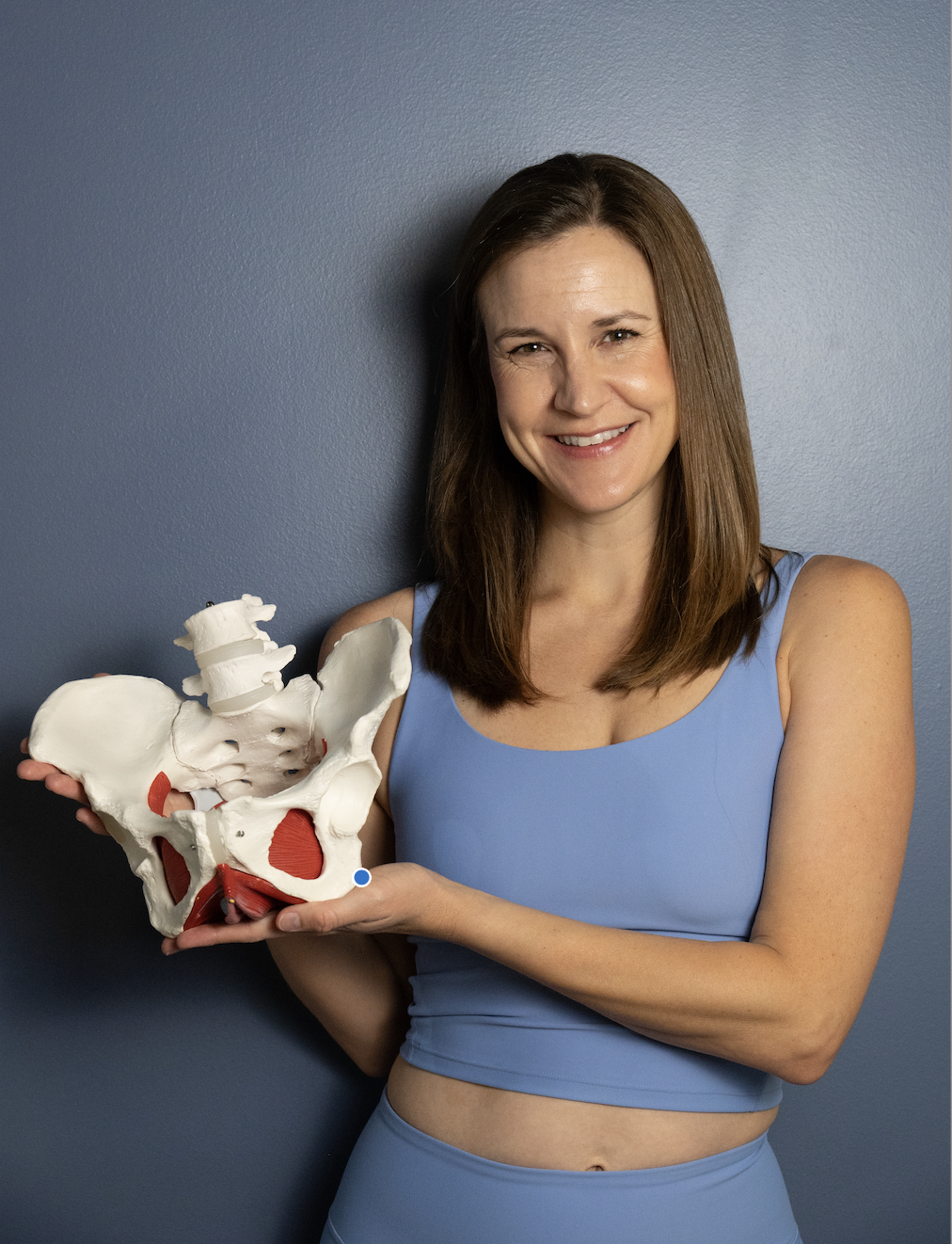
In the postpartum period, many new moms in Cool Springs are anxious to return to running. As a pelvic floor PT at Elevate615 PT, I get a lot of questions about returning to running and how to do it safely in our Middle Tennessee community. Here are some of the most common mistakes that people make when returning to running.
1) Returning to running less than 3 months postpartum.
Many new moms try to get back to running too soon. After a vaginal delivery, your vagina needs time to rest. Pushing a baby through the vaginal canal, especially if you had a prolonged second stage of labor, can cause laxity of the vaginal walls. We want to give the vagina time to return to its normal size. After a C-section, you want time for your scar to fully heal, as well as all of the layers of skin, muscle, fascia that were cut through. After giving birth, the amount of relaxin in the body (the hormone response for making your ligaments looser) significantly decreases. However, your body still needs time to recover from the significant ligament laxity that was present during pregnancy. To really succeed in running, we want to do some strengthening exercises to prepare your body to run. A lot of new mothers like to skip this step, return to running without strengthening exercises, and are at a high risk for injury.
2) Not feeding or pumping before you run.
Most new moms are breastfeeding or pumping. If you go out for a run and your breasts are engorged, it can be quite painful. You want to make sure to either feed baby or pump before you head out for a run. Also, wearing a well-fitting and supportive sports bra is key. Your breasts are likely a different shape and size than they were before pregnancy. Make sure your bra can support your breasts adequately while you run.
3) Running too fast.
I see this a lot in our Franklin running clubs. A mom is excited to get back to running and tries to run at her old, pre-pregnancy pace. Running too fast can put you at a higher risk for IT band syndrome, knee pain, shin splints, stress fractures, and an array of many other injuries. Try slowing down your pace. You want to ease back into running. Your bones, tendons, muscles all need time to slowly adapt to the ground reaction forces that are coming at them when running. Consider slowing your pace or, even better, start with a run-walk plan.
4) Wearing old running shoes.
During pregnancy, your feet may get bigger. I know, no one wants this, but it’s true! A common running mistake is trying to squeeze into your old running shoes when they feel too tight. For some, their feet will return to their pre-pregnancy size. But for others, your feet may be permanently a half or whole size bigger. It is also recommended that you change out your running shoes every 300-500 miles. You will be more prone to injury if you are running in shoes that have already seen more than 500 miles on the road. Get a fresh pair of shoes that fit and feel good when you run.
5) Running with the presence of prolapse symptoms.
If you start to feel heaviness, pressure or dragging in your pelvic area after giving birth you may have pelvic organ prolapse (POP). Since running is a high-impact activity, it is not recommended to run if you are having signs and symptoms of prolapse. Running can sometimes make prolapse worse. There are supportive clothing devices, such as supportive underwear, that can be worn if you are experiencing prolapse. Pessaries can also be helpful if you are dealing with POP. Pessaries are devices that are inserted into the vagina to provide support to the pelvic organs and can be especially helpful to wear during running. Understanding and managing internal abdominal pressure is also key if you are having symptoms of POP.
How can you avoid these mistakes?
Consult a pelvic floor PT in Franklin before returning to running after giving birth. A pelvic floor PT can help guide you in strengthening exercises that will prepare your body for running and help to prevent injury. A PT can check to see if you have pelvic organ prolapse and help you manage it if you do. Be sure to wear running shoes that fit you well and are not worn out. Invest in a supportive sports bra that feels good and fits appropriately. Start slowly! Start with a run-walk program or really slow down your pace.
These guidelines can really help you to decrease your risk for injury as you get back into running. You got this momma!
If you are looking for postpartum physical therapy in Brentwood or Franklin, visit us at Elevate615 PT or schedule your assessment now by Clicking HERE.
Want to learn more about the best pelvic floor physical therapist in Franklin? Here’s Dr. Abby’s FULL BIO!
Want free tips on how to return to running postpartum? Instagram
Want some exercises to do during third trimester? Youtube
Just here for the goofy TikToks
Want to connect on Facebook
Or just send us an email at Frontdesk@elevate615pt.com