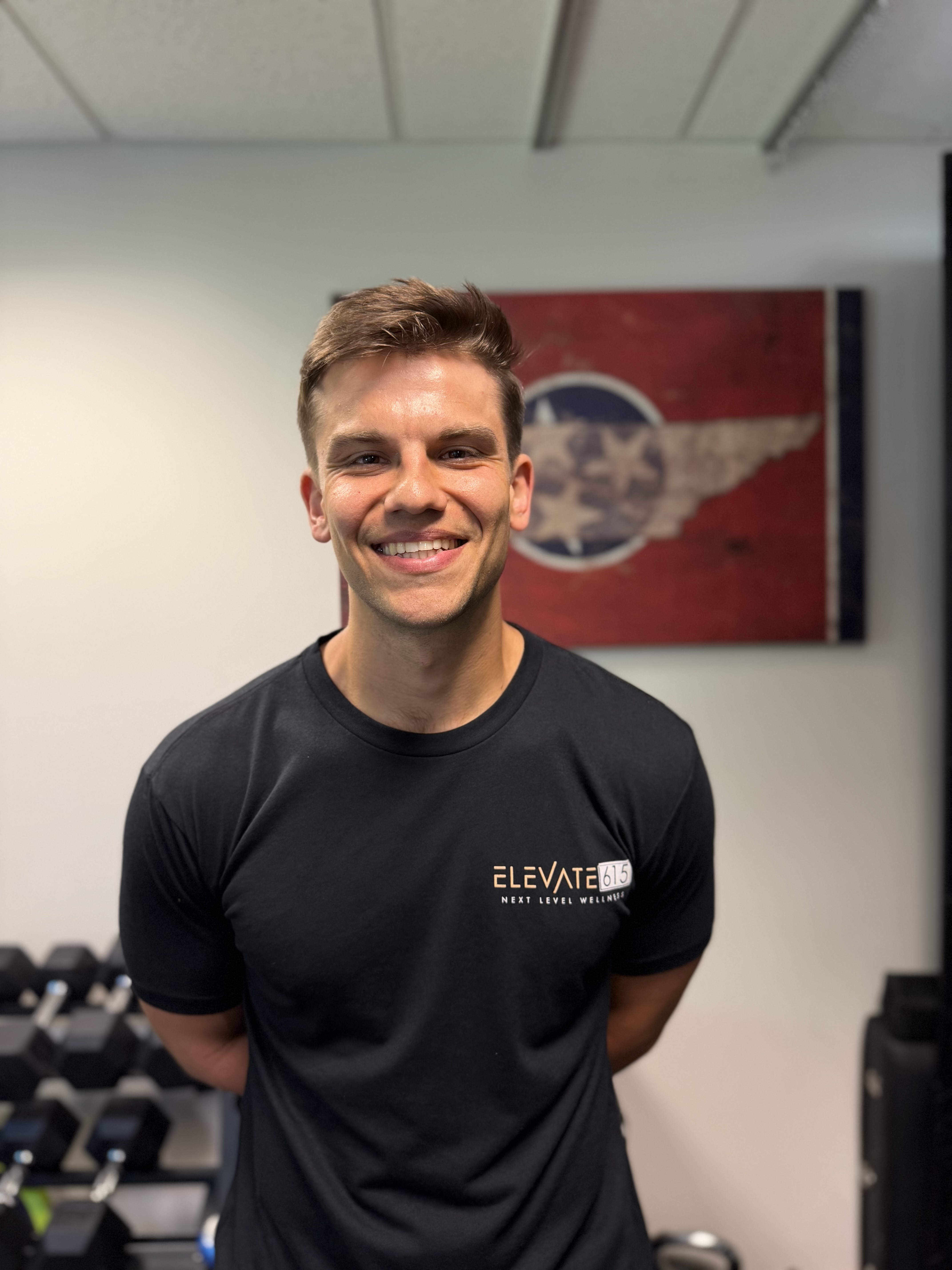
By Running Specialist Physical Therapist Payton Azbell, PT, DPT, ATC
Running Physical Therapy in Franklin, TN: How to Stay Healthy, Avoid Injury, and Improve Performance
Running is one of the best, most accessible ways for adults to exercise. It takes very little equipment, no specific type of facility, and it can be done year-round (depending on how willing you are to brave the elements!). For many like me who grew up playing sports, having a specific training goal helps you stay motivated, and it is typically easy to find a race close by for which to train.
Whether you’re training for your first 5K, preparing for the Franklin Half Marathon, chasing a marathon personal best, or simply trying to stay active, running can be an incredibly rewarding form of exercise. As a physical therapist working with runners in Franklin, Brentwood, and Williamson County, I frequently help athletes navigate injuries, training setbacks, and performance goals while staying healthy enough to continue doing what they love.
Unfortunately, running can sometimes get a bad rap.
Is Running Bad for Your Knees?
Probably the most common misconception I hear about running is that it is “bad for your joints.” In recent years, large studies have supported the notion that running does not increase risk of structural progression of knee arthritis (Voinier et al, 2022), and it may actually have a protective effect on the cartilage of the knee (Dhillon et al, 2023).
Despite some evidence emerging in support of running for joint health, there are a variety of factors that can contribute to injury, and runners unfortunately are not immune.
The Most Common Cause of Running Injuries: Too Much, Too Soon
In my experience as a physical therapist, probably the most common culprit of running-related injuries is the “too much, too soon” approach.
We’ve all been there – you sign up for a race you are really anticipating, or maybe you are getting back into running after letting your fitness take a back seat due to work or family obligations. You are extremely motivated and you crush it those first few weeks of your training block.
After a while, you start to notice some small aches and pains that maybe go away at first. Eventually they start to become more noticeable, and if they don’t get addressed, they begin negatively impacting your training and possibly even your daily activities. You aren’t sure if you should push through it, rest until it feels better, or modify your training and you start to become frustrated. If you do rest for a few weeks, once you get back into training, the same problems might recur, and you feel like you are stuck in an injury loop.
Some of the most common running injuries I see include:
- Runner’s knee
- Achilles tendinopathy
- Shin splints
- Plantar fasciitis
- IT band syndrome
- Stress reactions and stress fractures
While every injury is different, many stem from training errors rather than running itself.
This is why managing training volume and progression is so important. While there is certainly no one-size-fits-all approach to injury prevention and individual nuance is needed, a helpful general guideline is to increase training volume (time or distance run) by no more than 10% each week.
Additionally, it is commonly recommended to increase volume first, then intensity second as the risk of bone stress injuries increases with higher running speeds without proper progression (Warden et al, 2021).
Lastly, I personally recommend manipulating only one training variable at a time (volume, speed, terrain/hills, etc.), so that if an injury does occur, it is easier to identify contributing factors and modify them as needed.
Why Strength Training Is Essential for Runners
Another misconception about running that needs to become a thing of the past is that “strength training makes you bulky and slows you down.”
For the die-hard runners who are in extremely demanding training blocks, or maybe those who don’t enjoy any forms of exercise other than running, committing to a consistent strength training routine can be challenging. However, strength training could be the key to unlocking your next level of performance as a runner.
Multiple studies (Zanini et al, 2025; Prieto-Gonzalez et al, 2022) demonstrate positive effects on running economy and performance from strength training.
Running economy refers to how efficiently your body uses energy at a given pace. In simple terms, a more economical runner can maintain a faster pace while using less energy.
Additionally, recent evidence supports the notion that cramping during a race could be more directly correlated with muscle damage rather than dehydration (Martinez-Navarro et al, 2022). Not to say you shouldn’t still hydrate well and get in your electrolytes, but strength training could potentially help you maintain pace later in your next race once fatigue starts to set in rather than suffering the dreaded bonk!
Lastly, strength training is also known to improve bone strength and bone mineral density. This is especially vital for runners as bone stress-related injuries (which can eventually progress to stress fractures) are extremely important to prevent.
When it comes to keeping you in the game and improving performance as a runner, strength training is a must.
Running Physical Therapy in Franklin, TN
Here at Elevate615 in Cool Springs, we take pride in helping runners throughout Franklin, Brentwood, and Williamson County stay healthy and out on the roads or trails logging miles and training for their next big race.
We offer a comprehensive Running Fitness Assessment where we will discuss and evaluate your training plan, assess your footwear, and quantify your physical fitness and function so that we can help you prevent injury before it ever starts in the first place.
Whether you are a runner working through an injury and needing guidance on how to safely get back to training, or someone who needs more consistency and accountability with their strength training routine, we would love to serve and help guide you in achieving your goals.
Frequently Asked Questions
Is running bad for your knees?
Current research suggests that recreational running does not increase the risk of knee arthritis and may actually have a protective effect on knee cartilage when training loads are managed appropriately.
Should runners strength train?
Yes. Research consistently demonstrates improvements in running economy, performance, bone health, and injury resilience with strength training.
How quickly should I increase my mileage?
A common recommendation is to increase training volume by no more than 10% per week while paying attention to recovery and symptom response.
When should I see a physical therapist for running pain?
If pain is affecting your training, changing your running form, limiting performance, or lingering for more than a few runs, it is worth seeking a professional evaluation.
Ready to Run Stronger?
If you’re looking for a Physical Therapist for Runners in Franklin, TN, our Running Fitness Assessment can help identify mobility limitations, strength deficits, training errors, and injury risk factors before they become bigger problems.
Whether you’re training for your first race or your next personal best, we’re here to help you stay healthy, run stronger, and enjoy the process.
Read Expert Running Physical Therapy Specialist Payton’s Full Bio HERE
Check Out Our Instagram for Free Tips HERE
Can’t Get Enough of Our Blogs? Click HERE
Book Your Free Call to Discuss if a Running Fitness Assessment is right for you HERE